Ta'n me'j Tel-keknuo'ltiek:
How Unique We Still Are
Ta'n me'j Tel-keknuo'ltiek: How Unique We Still Are, reflects how Mi’kmaw people remain connected to the lands and waters of Mi’kma’ki. This exhibit offers a platform for Mi’kmaw people to express their continued experiences with an understanding of the lands and the waters of Mi’kma’ki. Mi’kmaw single-word concepts are represented through personal testimony and histories of individual Mi’kmaw people, featured objects, artifacts, images and symbolic artwork. These experiences and understandings are rooted in cultural expressions that connect past, present and future in this place.
Read our Land Acknowledgement
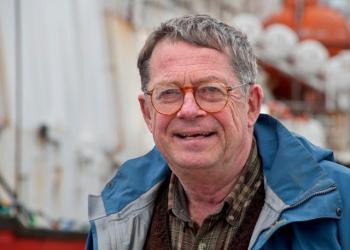
Ship with a Soul: a Brief History of the CSS/CCGS Hudson (1963-2022)
Tuesday, April 16, 6:30 pm – Tuesday Night Talk, free
After serving the Canadian oceanographic community with distinction for almost sixty years, the CSS/CCGS Hudson was retired in 2022. During her lengthy seagoing career, Hudson carried out 480 cruises in support of research in ocean engineering, hydrography, geophysics, marine geology, physical oceanography, chemical oceanography, marine ecology, fisheries and marine mammals.
Dr. Donald Gordon is a retired federal scientist who worked for 35 years as a research scientist and manager at the Bedford Institute of Oceanography (BIO).
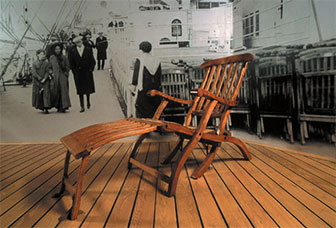
Titanic: The Unsinkable Ship and Halifax
Experience being aboard Titanic – from the crew stocking the boilers, to the immigrants in third class, and the passengers who travelled in style, first-class. Discover the story of how Halifax played a key role in the aftermath of the disaster with the ships’ sinking on April 15, 1912. Glimpses of personal stories include the brave cable ship crews who endured treacherous conditions in recovering bodies, and the victims buried in Halifax.
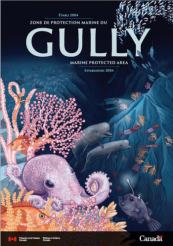
Celebrate 20 Years of The Gully Marine Protected Area!
May 11, 9:30 am to 1:00 pm
Free! (Donations for Feed NS welcome)
The Gully is North America’s largest undersea canyon and is home to a vast variety of life, including the endangered northern bottlenose whale and a rainbow of deep-sea corals. Immerse in the wonders of the Gully ecosystem up close!
Hours
| Monday | 9:30 am - 4:30 pm |
| Tuesday | 9:30 am - 8 pm |
| Wednesday | 9:30 am - 4:30 pm |
| Thursday | 9:30 am - 4:30 pm |
| Friday | 9:30 am - 4:30 pm |
| Saturday | 9:30 am - 4:30 pm |
| Sunday | 9:30 am - 4:30 pm |
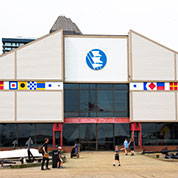
Museum Webcam!
Be social


Improve Your Experience
Help us serve you better by completing a short survey on your online experience today.
Take the Survey